















How to Avoid Mountain Sickness in Sikkim
Discover effective ways to prevent mountain sickness in Sikkim with our comprehensive guide. Ensure a safe and enjoyable high-altitude adventure.
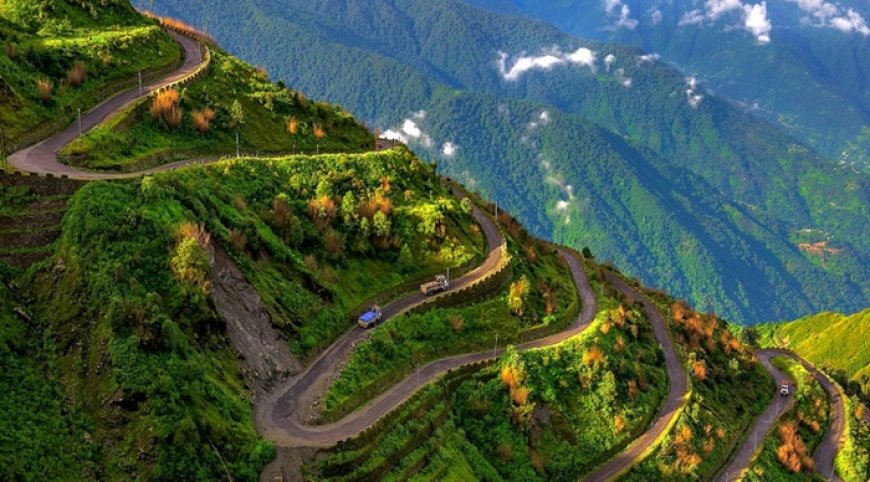
Nestled in the northeastern part of India, Sikkim is a paradise for those seeking adventure and tranquillity amidst the Himalayan ranges. Its pristine landscapes, vibrant culture, and serene monasteries make it a unique destination. However, with its breathtaking beauty comes the challenge of high altitudes. Mountain sickness, or Acute Mountain Sickness (AMS), can affect anyone unaccustomed to such elevations. Understanding how to prevent and manage this condition is crucial for a safe and enjoyable journey.
Understanding Mountain Sickness
Mountain sickness occurs when your body struggles to adapt to the lower oxygen levels at high altitudes. It can manifest in various forms, ranging from mild symptoms like headaches and dizziness to severe conditions such as High Altitude Pulmonary Edema (HAPE) or High Altitude Cerebral Edema (HACE). Recognising these symptoms early and taking preventive measures can ensure your adventure remains as exhilarating as planned.
Symptoms of Mountain Sickness
-
Mild Symptoms: Headache, nausea, dizziness, fatigue, and shortness of breath
-
Moderate Symptoms: Severe headache, vomiting, and breathlessness even at rest
-
Severe Symptoms: Confusion, inability to walk, and breathlessness even while resting, indicating HAPE or HACE
Best Practices to Prevent Mountain Sickness
While Sikkim offers mesmerising spots like Tsomgo Lake, Gurudongmar Lake, and Nathula Pass, these high-elevation areas make acclimatisation essential. Heres how to prepare:
1. Gradual Ascent
Ascend slowly to allow your body time to adjust to lower oxygen levels. Avoid packing too many high-altitude destinations in the early days of your trip. A gradual increase in elevation helps minimise the risk of AMS.
2. Stay Hydrated
High altitudes and cold, dry air can lead to dehydration, worsening symptoms of AMS. Drink water frequently even if you dont feel thirsty to help your body adapt more efficiently.
3. Avoid Alcohol and Caffeine
Although a warm drink or celebratory toast may be tempting, both caffeine and alcohol can dehydrate the body and intensify altitude-related issues. It's best to limit or avoid them during your ascent.
4. Acclimatisation Days
Build rest days into your itinerary, especially before visiting destinations above 10,000 feet. Spending a day or two at a moderate altitude helps your body adjust before going higher.
Essential Preparations Before Travelling
1. Physical Fitness
Good physical health makes a big difference at high altitudes. Engage in regular cardiovascular workouts, strength training, and breathing exercises before your trip to improve stamina and lung capacity.
2. Medication
Talk to your doctor about taking preventive medications like acetazolamide (Diamox). It can help reduce symptoms when taken a day or two before ascending. Always consult your physician before using any medication.
3. Health Check-up
A full medical check-up is recommended before a high-altitude trip, especially for those with heart or respiratory conditions. Get personalized advice from your healthcare provider based on your health status.
While in Sikkim
1. Recognise Symptoms Early
Be vigilant. If you or a travel companion starts showing early signs of AMS, stop ascending, rest, and hydrate. In case of worsening symptoms, descend immediately and seek medical help.
2. Layer Your Clothing
Weather in Sikkim can change rapidly. Dressing in layers helps you adapt to temperature shifts while maintaining warmth and comfortboth essential at higher altitudes.
3. Keep a Balanced Diet
Eat small, frequent meals rich in carbohydrates. These provide energy and help your body perform better in low-oxygen environments. Avoid heavy or greasy foods that are harder to digest.
Exploring Sikkim Safely
From Gangtoks lively streets to the tranquil monasteries of Rumtek and Pemayangtse, Sikkim tour packages offer enriching experiences. Heres how to enjoy them safely:
1. Guided Tours
Opt for guided tours when visiting high-altitude or remote areas. Local guides are familiar with the terrain, can assist in emergencies, and offer valuable acclimatisation tips.
2. Local Insights
Engage with locals for advice they often have generations of experience with the climate and terrain. Their tips can be practical and even life-saving.
3. Respect Nature
Sikkims natural beauty is fragile. Follow eco-friendly practices, avoid littering, and stick to marked trails. Respect local customs and wildlife to preserve the environment for future travellers.
Conclusion
Sikkim, with its majestic peaks and rich cultural heritage, promises an unforgettable journey. With the right preparation and awareness, you can prevent mountain sickness and enjoy everything this Himalayan gem has to offer. Take your time, hydrate well, dress appropriately, and follow safety practices for a fulfilling, safe adventure. With these precautions, youll be free to experience the serenity, spirituality, and scenic grandeur that define Sikkim. Safe travels and happy exploring!