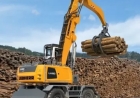
















Off-Highway Wheel Market Set to Reach $2.66B by 2032: Key Drivers & Trends
The Global Off-Highway Wheel Market is anticipated to register a CAGR of around 6.92% during the forecast period, 2026-32. Also, the market size was valued at nearly USD 1.78 billion in 2025 and is foreseen to witness nearly USD 2.66 billion during 2032.


Introduction
The globaloff-highway wheel marketis on a steady growth trajectory, driven by increasing demand from agriculture, construction, and mining sectors. According toReport Cube, the market is anticipated to register aCAGR of 6.92% from 2026 to 2032, rising fromUSD 1.78 billion in 2025 to USD 2.66 billion by 2032.
Off-highway wheels are essential for heavy-duty vehicles like tractors, excavators, loaders, and other industrial machinery. As infrastructure development and mechanized farming expand worldwide, the demand for durable, high-performance wheels is surging. This article explores thekey growth drivers, potential challenges, and emerging opportunitiesin this dynamic market.
Key Growth Drivers
1. Rising Demand from Agriculture & Construction Sectors
Theagriculture industryis a major consumer of off-highway wheels, particularly for tractors and harvesters. With the global push forfood security and mechanized farming, farmers are investing in advanced machinery, boosting wheel demand.
Similarly,construction and mining activitiesare expanding due to urbanization and infrastructure projects. Governments worldwide are investing in roads, bridges, and smart cities, increasing the need for heavy equipmentand, consequently, off-highway wheels.
2. Technological Advancements in Wheel Design
Manufacturers are developinglighter, stronger, and more fuel-efficient wheelsusing advanced materials likehigh-strength steel and alloys. Innovations such asrun-flat tires and airless wheelsare gaining traction, reducing downtime and maintenance costs for operators.
3. Growth in Emerging Markets
Countries likeIndia, China, Brazil, and Southeast Asian nationsare witnessing rapid industrialization and agricultural modernization. Government subsidies for farming equipment and infrastructure development are accelerating market growth in these regions.
Potential Market Challenges
Despite strong growth prospects, the off-highway wheel market faces some hurdles:
1. High Raw Material Costs
Fluctuating prices ofsteel, rubber, and aluminumimpact production costs. Manufacturers must balance quality and affordability while maintaining profitability.
2. Environmental and Regulatory Pressures
Stricteremission norms and sustainability regulationsare pushing companies to adopt eco-friendly materials. This transition may increase R&D expenses and affect short-term margins.
3. Supply Chain Disruptions
Global supply chain issues, such aslogistical delays and geopolitical tensions, can hinder raw material availability, affecting production timelines.
Future Trends & Opportunities
1. Adoption of Smart Wheels & IoT Integration
The future of off-highway wheels lies insmart technology. Sensors embedded in wheels can monitortire pressure, wear and tear, and load capacity, enabling predictive maintenance and reducing breakdowns.
2. Expansion of Electric & Autonomous Off-Highway Vehicles
With the rise ofelectric tractors and autonomous construction equipment, wheel manufacturers must adapt to new designs that support battery-powered and self-driving machinery.
3. Sustainable & Recyclable Materials
Eco-conscious trends are pushing companies to explorebiodegradable and recycled materialsfor wheel production. This shift aligns with global sustainability goals and opens new market opportunities.
Conclusion: Why Stakeholders Should Pay Attention
Theoff-highway wheel marketpresents a lucrative opportunity for manufacturers, investors, and industry players. Withsteady growth projected at 6.92% CAGR, driven by agriculture, construction, and technological advancements, the sector is poised for expansion.
However, challenges likeraw material costs and regulatory pressuresrequire strategic planning. Companies that invest insmart technologies, sustainable materials, and emerging marketswill gain a competitive edge.
For stakeholders, staying ahead meansmonitoring industry trends, adapting to innovation, and optimizing supply chains. As off-highway vehicles evolve, so will the wheels that keep them movingmaking this a market worth watching.