















Restless Legs Syndrome: Best Medicines & Home Cures
Explore effective treatments for Restless Legs Syndrome. Learn about the best medicines, including Gabapentin 300mg, and home remedies to relieve discomfort and improve sleep.

Understanding Restless Legs Syndrome (RLS)
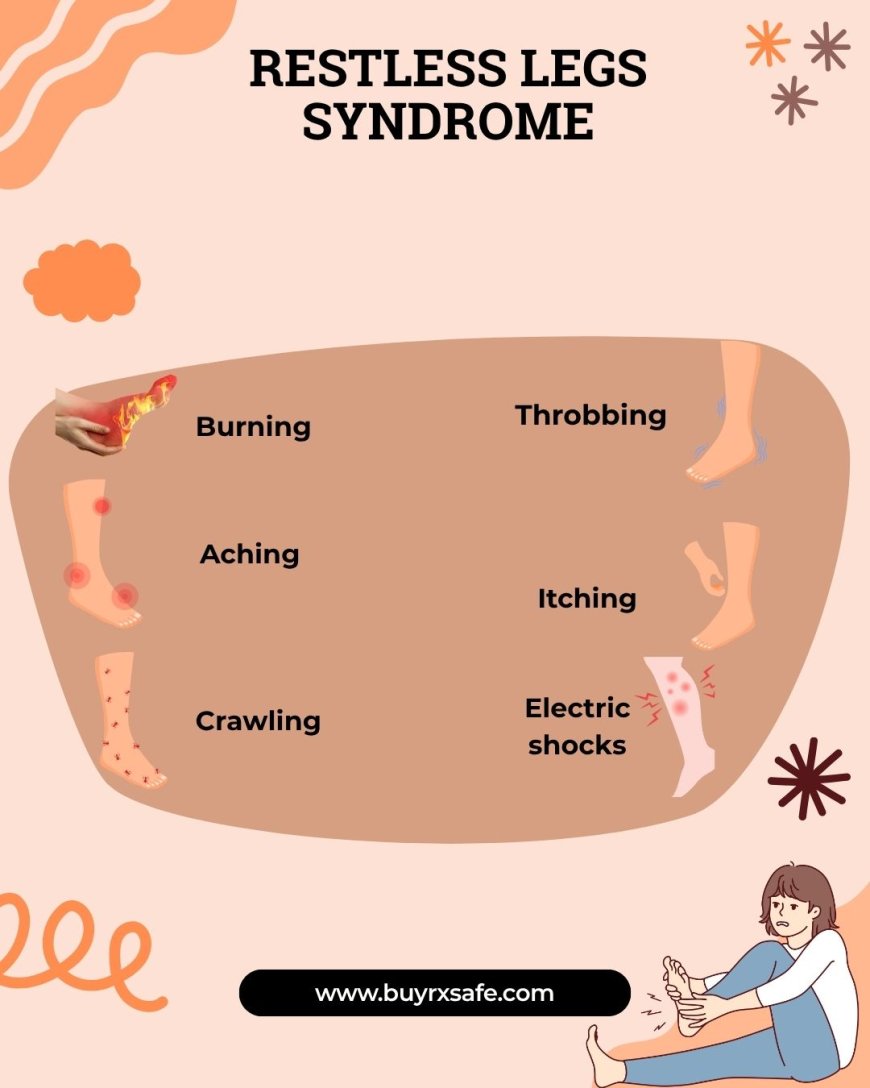
Restless Legs Syndrome is a neurological condition. It creates a strong urge to move the legs. People with RLS often feel crawling, itching, or tingling sensations. These feelings happen most often during rest or sleep. Moving the legs can reduce the discomfort. It becomes worse at night. RLS affects sleep quality. It can lead to tiredness and mood problems.
Gabapentin 300mg and Other Medications
Doctors use several medicines to treat RLS. These help reduce the strange leg sensations and improve sleep. One such drug is Gabapentin 300mg. It works by calming nerve activity. Gabapentin is a nerve pain and seizure medicine. It helps reduce the signals that cause discomfort. This drug is especially helpful for people with painful RLS.
Gabapentin 300mg improves sleep and lowers pain. It is taken before bedtime. Side effects may include drowsiness, dizziness, or swelling. Doctors may adjust the dose depending on the response.
Other medicines used for RLS include:
-
Dopamine Agonists: Like pramipexole and ropinirole. They help balance dopamine in the brain.
-
Iron Supplements: Low iron can worsen RLS. Ferritin levels are often checked.
-
Benzodiazepines: Help improve sleep but may cause daytime drowsiness.
-
Opioids: Used in severe cases. They are prescribed carefully due to addiction risks.
-
Anticonvulsants: Like pregabalin or gabapentin. They help reduce nerve irritation.
Signs and Symptoms of RLS
-
Burning, crawling, or tingling in the legs
-
Strong urge to move legs, especially at rest
-
Symptoms worse in the evening or at night
-
Relief from movement such as walking or stretching
-
Disrupted sleep due to discomfort
RLS can also affect arms. The symptoms are often mild at first. Over time, they may become severe if not treated.
What Causes Restless Legs Syndrome
Doctors do not always know the exact cause. RLS may run in families. Some health conditions may increase risk. These include:
-
Low iron or anemia
-
Pregnancy (especially third trimester)
-
Kidney failure
-
Nerve damage or neuropathy
-
Multiple sclerosis
RLS can also appear without a known cause. This is called primary RLS. When it happens due to another health issue, it is secondary RLS.
Diagnosis of Restless Legs Syndrome
No lab test confirms RLS. Doctors ask about symptoms and medical history. They check iron levels with a blood test. Sleep studies are used in some cases. Doctors rule out other causes of leg discomfort.
Gabapentin 300mg: How It Helps
Gabapentin 300mg is an effective choice for people with nerve-based RLS. It affects how the brain sends pain signals. Gabapentin also improves sleep patterns. It is well-suited for people with other nerve issues, such as neuropathy or fibromyalgia.
Doctors may start with a low dose and slowly increase. It is taken before bedtime. Gabapentin is not addictive and has fewer long-term side effects. Always take it as directed by a physician.
Other Medication Options
-
Pramipexole: Helps control movements. Often prescribed first.
-
Ropinirole: Works like pramipexole. Can be used long-term.
-
Levodopa/Carbidopa: Effective but may cause symptoms to rebound.
-
Pregabalin: Similar to gabapentin. Reduces nerve-related discomfort.
-
Iron Supplements: Oral or IV iron may be needed.
Doctors choose the medicine based on symptom severity, other health issues, and response to past treatments.
Home Cures for Restless Legs Syndrome
1. Warm or Cold Packs
Applying heat or ice to your legs can help. Try warm baths or a heating pad. Some people get relief with cold packs.
2. Leg Massage
Gently rubbing the legs can ease symptoms. It improves blood flow and calms nerves.
3. Stretching Exercises
Simple stretches before bed help muscles relax. Yoga and tai chi are also useful.
4. Healthy Sleep Habits
Go to bed at the same time daily. Avoid screens before sleep. Keep the bedroom quiet and dark.
5. Avoiding Triggers
Caffeine, alcohol, and nicotine can make symptoms worse. Avoid them, especially in the evening.
6. Daily Activity
Regular walking or light exercise helps. Avoid intense workouts late in the day.
7. Compression Stockings
Some people feel better with light compression socks. They may reduce nerve signals.
8. Epsom Salt Soak
Soak feet in warm water with Epsom salt. This helps relax muscles.
9. Acupressure or Reflexology
Some find relief with foot pressure therapy. It may reduce tension in leg nerves.
10. Hydration
Drink enough water daily. Dehydration may worsen symptoms.
Lifestyle Changes That Support Treatment
-
Eat iron-rich foods: spinach, red meat, beans
-
Use relaxation methods: deep breathing or meditation
-
Keep your body weight healthy
-
Quit smoking
-
Manage stress with hobbies or journaling
These habits help manage symptoms over time.
When to See a Doctor
See a doctor if:
-
Symptoms disturb your sleep
-
Leg discomfort affects your daily life
-
Home remedies do not help
-
You feel pain, burning, or numbness
Doctors may change your treatment plan or check for other conditions.
Precautions While Using Gabapentin 300mg
-
Do not stop suddenly; taper off if needed
-
Avoid alcohol with the medication
-
Tell the doctor about other drugs you take
-
Report dizziness or vision changes
Gabapentin is usually safe. Always follow the prescribed dose.
Combining Treatments for Best Results
Most people need both medicine and lifestyle changes. Gabapentin 300mg works best with regular sleep, light exercise, and healthy habits. Stay consistent with your treatment plan.
Tracking symptoms can also help. Use a journal to note when symptoms appear. Share this with your doctor for better treatment planning.
Summary
Restless Legs Syndrome affects daily comfort and sleep. It causes strange sensations and the urge to move the legs. Gabapentin 300mg is a helpful treatment. It calms nerve activity and improves sleep. Other drugs and lifestyle tips can also reduce symptoms. Home remedies such as leg massage, stretching, and heat therapy support recovery.
Early treatment improves life quality. Managing RLS takes time. A mix of medical and natural methods gives the best relief.